


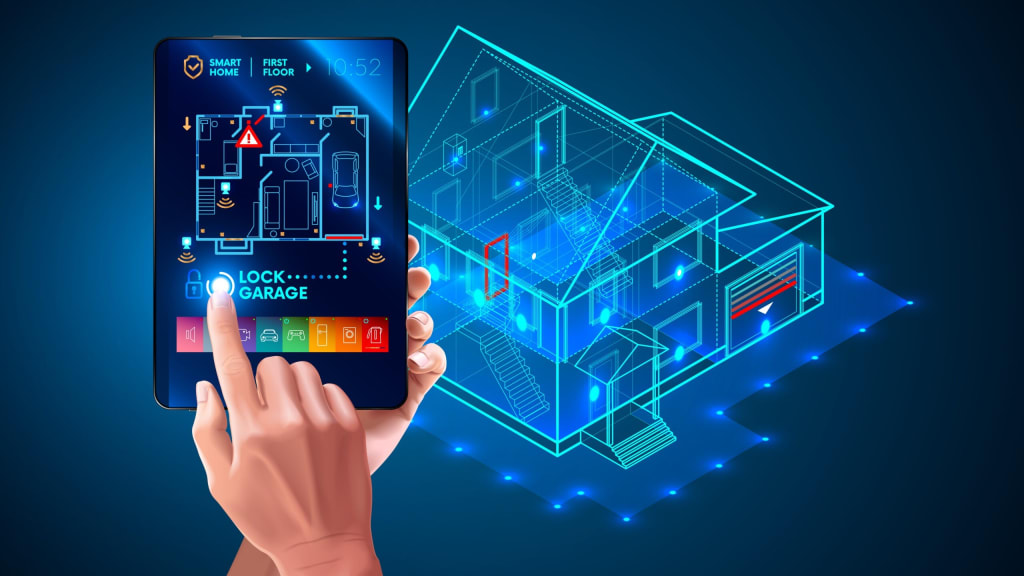
Smart Building Automation: Boosting Efficiency and Security
Modern buildings are no longer just static structures—they are evolving into smart, interconnected ecosystems that combine efficiency, comfort, and safety. Thanks to rapid advancements in Internet of Things (IoT), AI, and integrated building management systems (BMS), property owners can now automate and optimize everything from lighting and temperature to access control and security monitoring.
The result? Lower costs, improved security, and a better occupant experience.
1. What is Smart Building Automation?
Smart building automation refers to the use of advanced technologies to monitor, control, and optimize various building functions automatically. By integrating HVAC systems, lighting, security, fire safety, and energy management into a single platform, businesses and property managers gain centralized control and real-time insights.
2. Key Benefits of Smart Building Automation
a) Enhanced Energy Efficiency
Automation systems can monitor real-time occupancy and environmental data to adjust heating, cooling, and lighting automatically. This prevents energy waste and significantly reduces utility costs.
b) Improved Security
Smart security systems integrate CCTV, biometric access control, intrusion detection, and alarm systems into one network. This ensures faster response times, real-time alerts, and better situational awareness.
c) Predictive Maintenance
By monitoring equipment performance in real-time, automation can detect anomalies before they lead to breakdowns. This prolongs equipment life and reduces costly repairs.
d) Centralized Management
Facility managers can control and monitor all building systems from a single dashboard—whether they are onsite or remote—using cloud-based management platforms.
e) Improved Comfort and Productivity
Temperature, lighting, and ventilation can be tailored to individual zones or offices, enhancing occupant comfort and boosting productivity.
3. Security Features of Smart Building Automation
-
Real-Time Video Surveillance: AI-enabled cameras detect unusual activity and trigger alerts.
-
Access Control Systems: Limit entry to authorized personnel using keycards, biometrics, or mobile credentials.
-
Intrusion Detection: Sensors detect forced entries or unauthorized movement.
-
Fire and Safety Integration: Automated fire detection linked with emergency lighting and evacuation systems.
4. Smart Building Trends to Watch
-
IoT-Driven Analytics for data-driven decision-making.
-
AI-Powered Security for faster threat detection.
-
Green Building Certification leveraging automation for sustainability.
-
Voice and Mobile Control for hands-free building management.
Final Thoughts
Smart building automation is not just a technological trend—it’s a strategic investment that reduces operating costs, strengthens security, and improves occupant satisfaction. Whether for commercial offices, residential complexes, or industrial facilities, integrated automation is shaping the future of buildings.
By combining efficiency and security in one platform, smart building systems ensure that facilities are safer, greener, and more cost-effective than ever before.